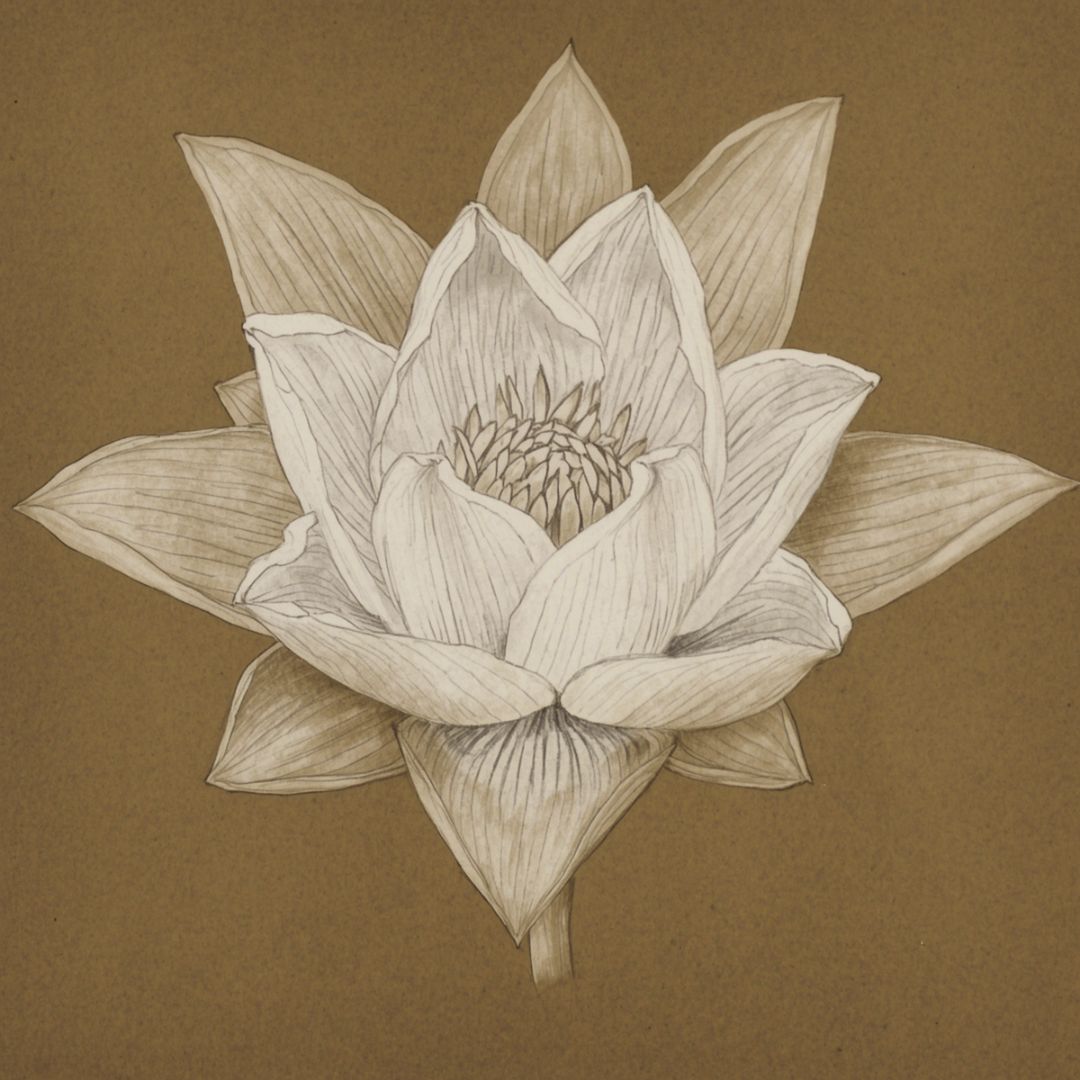
The Rakshasa of the Southern Terai: Demon, or Degraded Memory of Something Real?
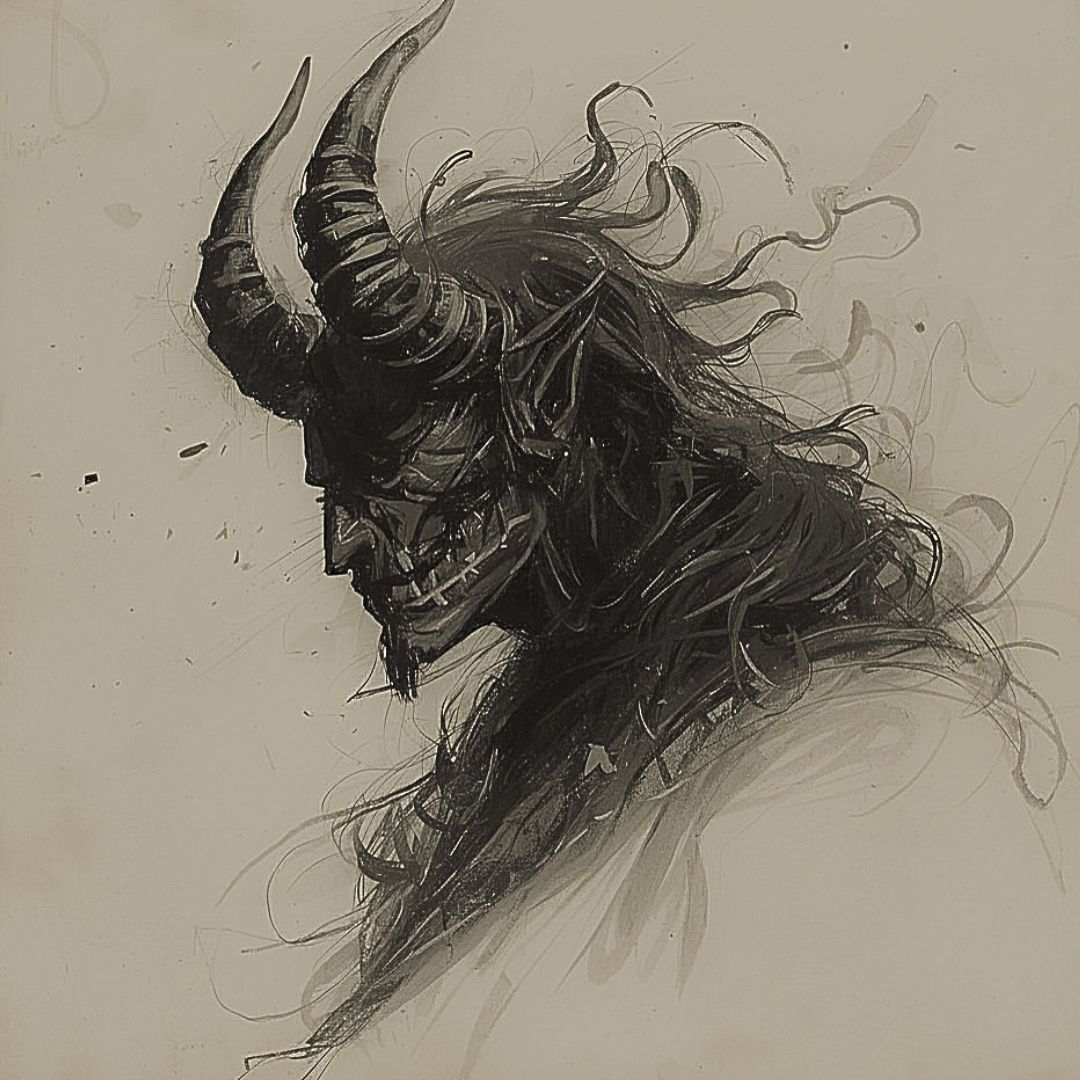
Untitled design (16)

The Rakshasa is one of the oldest named entities in Hindu cosmology — not folklore in the casual sense, but theology, written into the Vedic texts that underpin one of the world’s major religious traditions. The Rigveda — composed somewhere between 1500 and 1200 BCE, making it one of the oldest religious texts in continuous use — contains a specific hymn, the 87th of its Tenth Mandala, devoted entirely to the destruction of Rakshasas. That you needed a formal hymn to destroy them tells you something about their status in the earliest recorded imagination.
The Meh-Teh: Field Report on the Ghost of the High Passes

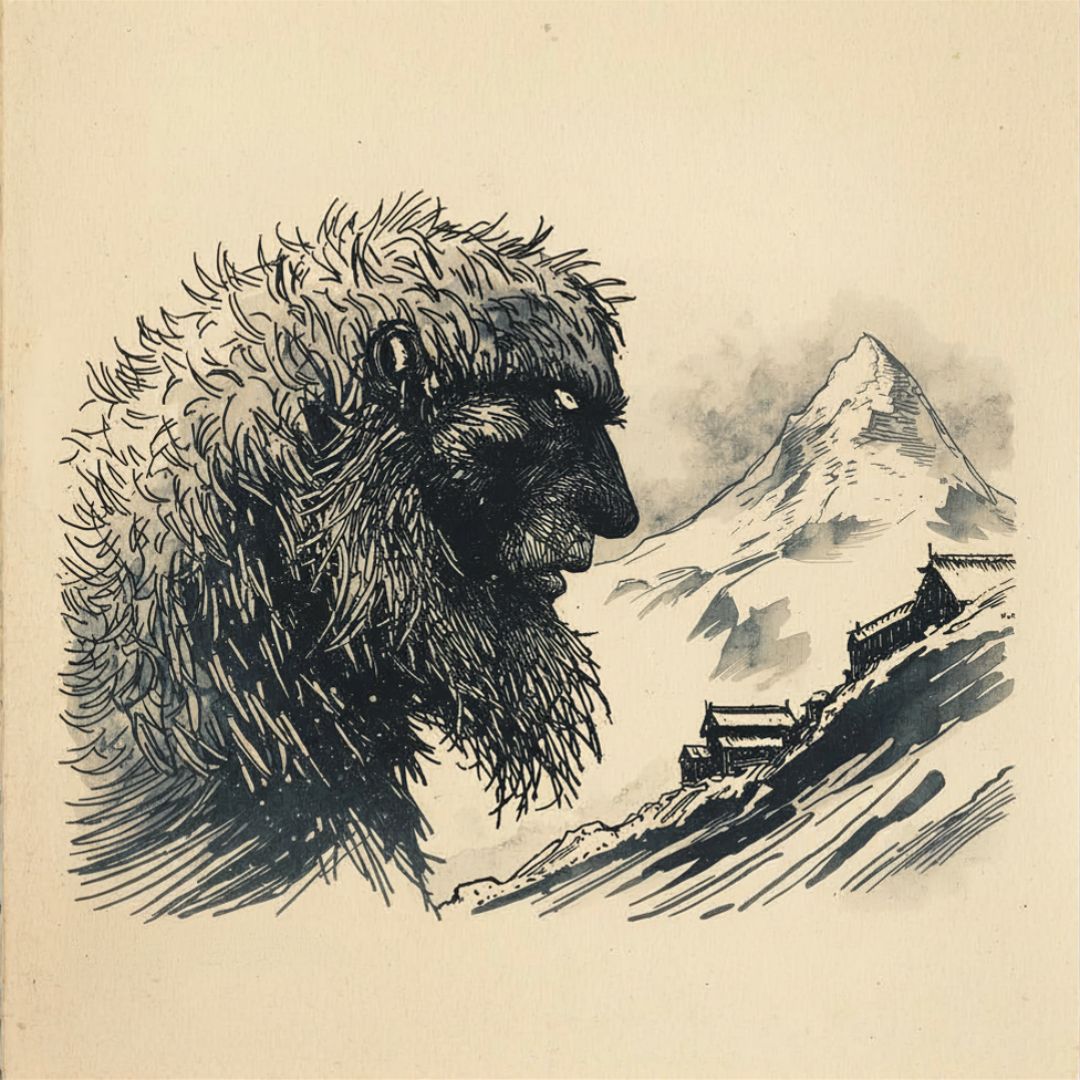
Yeti sketch from dossier

There are mountains in this world that do not belong to us. We have named them, driven flags into their summits, mapped their glaciers in fine satellite resolution — and still they resist the idea that they have been known. The Khumbu Himalaya of northeastern Nepal is one such place. Its peaks breach the upper atmosphere. Its valleys trap weather systems for weeks. Its passes have taken the lives of experienced mountaineers who knew exactly what they were doing and did it perfectly. And somewhere in the vertical world between the last rhododendron and the first permanent ice field, something lives that the Sherpa people have always known about, have built stories around for generations, and have never found it necessary to prove to the rest of us.

They call it the Meh-Teh.